Civil Engineering & Construction Projects

  1. Value Engineering & Delivery
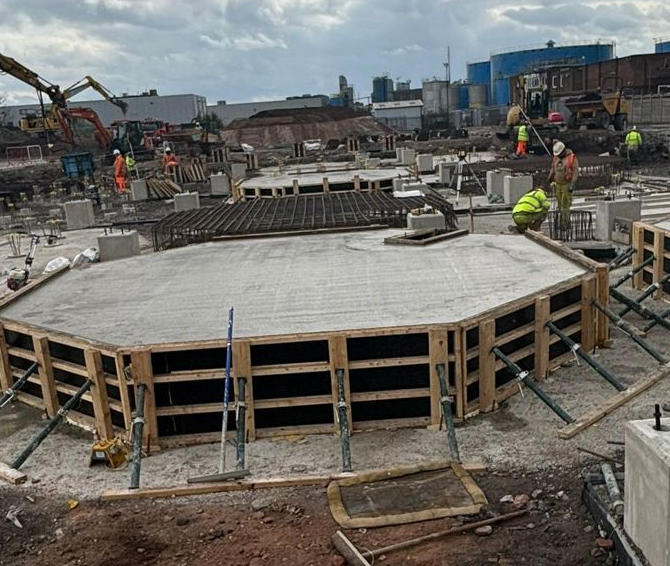
  2. Groundworks & Civils

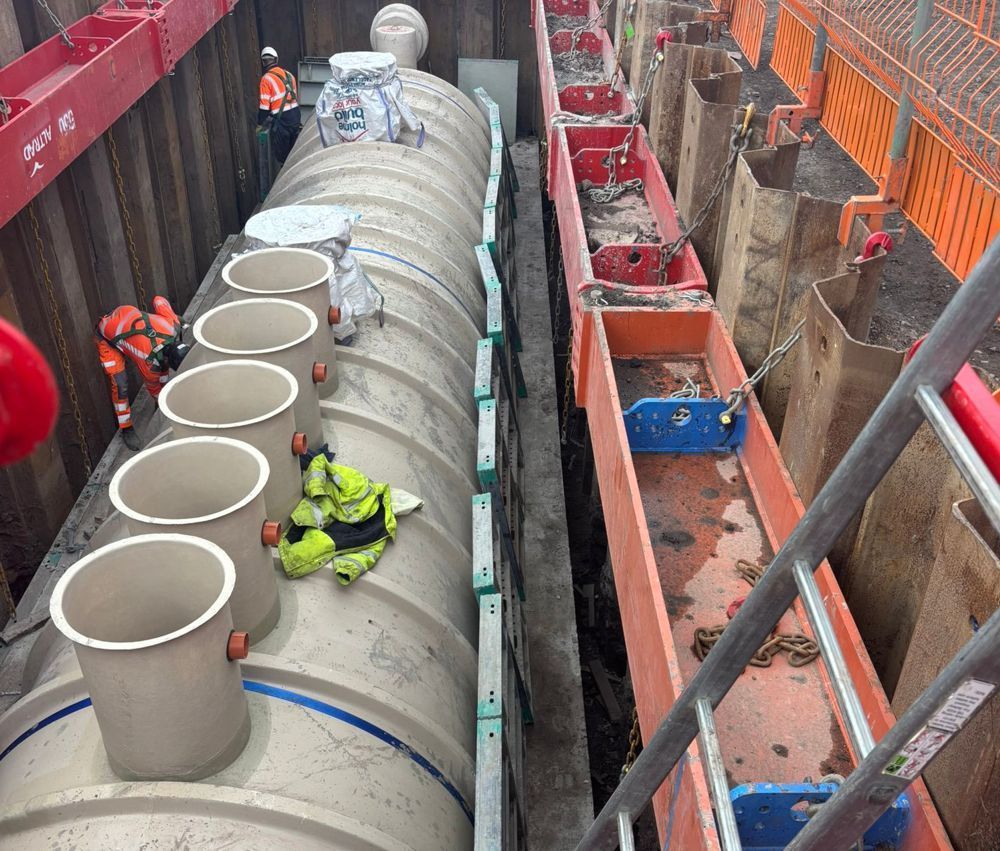
  3. Drainage & Water Systems

  4. FRC Structures

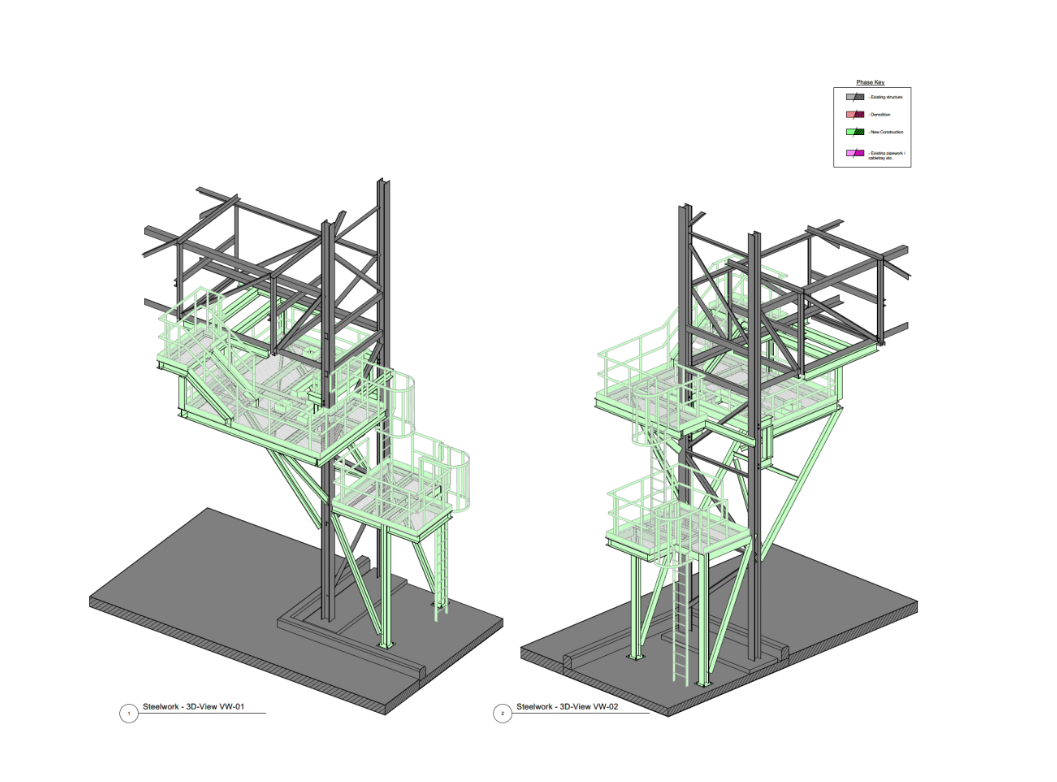
  5. Design & Development

From Planning Through To Completion

Moorcroft Construction delivers civil engineering and construction projects across a range of sectors. Technical expertise, commercial management, project delivery and value engineering come together because successful projects depend on more than construction alone. You need practical decisions backed by engineering knowledge, giving confidence your project is managed from planning through to completion.

Keeping Decisions And Delivery Aligned

Every project brings different technical and commercial challenges. Planning, engineering, commercial management and construction delivery are considered together rather than separately. Where additional expertise is needed, trusted designers, specialist consultants and subcontractors become part of the team, helping keep decisions coordinated and delivery moving forward.
Understanding Engineering And Commercial Realities

When you're responsible for a construction project, you need a contractor who understands engineering as well as commercial realities. This approach suits technically demanding schemes involving multiple stakeholders, recognised industry standards and challenging site conditions, with experienced professionals remaining involved throughout delivery.
  1. Industrial

  2. Commercial

  3. Agricultural

  4. Logistics & Distribution

  1. Residential

  2. Energy, Utilities & Infrastructure

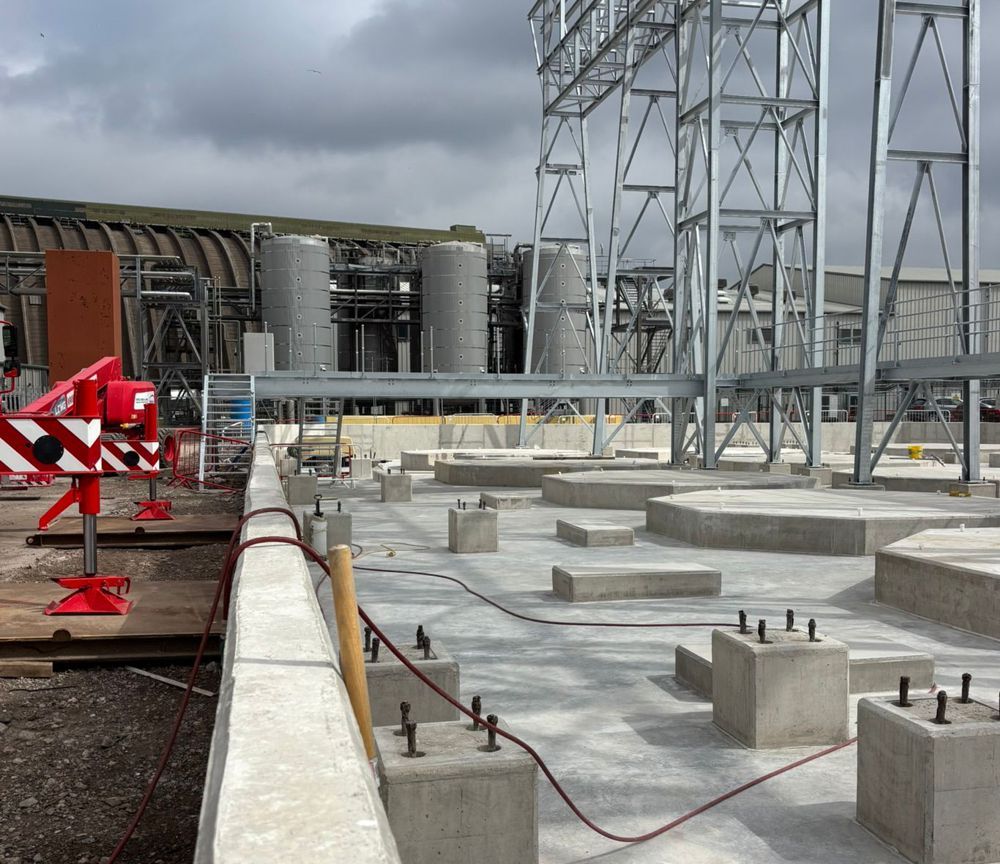
  3. Food, Chemical & Process Industries

  4. Ports, Marine & Infrastructure

Making Informed Decisions When Circumstances Change

Good projects rarely happen by accident. They rely on experienced people communicating well, taking responsibility and making informed decisions when circumstances change. Technical expertise supports every stage, helping projects remain safe, meet recognised industry standards and progress within realistic programmes and budgets.
Keeping The Project Focused

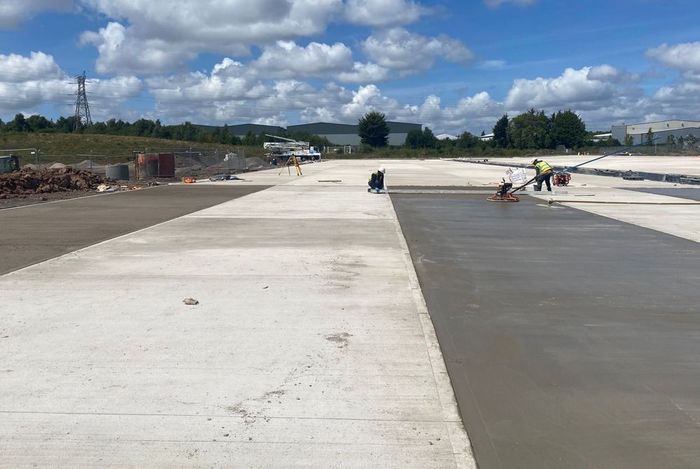
Construction projects rarely follow a perfect plan, so decisions need practical experience behind them. Engineering, commercial management and construction expertise work together to resolve issues quickly. Clear communication and accessible leadership help maintain progress while keeping the project focused on its objectives.
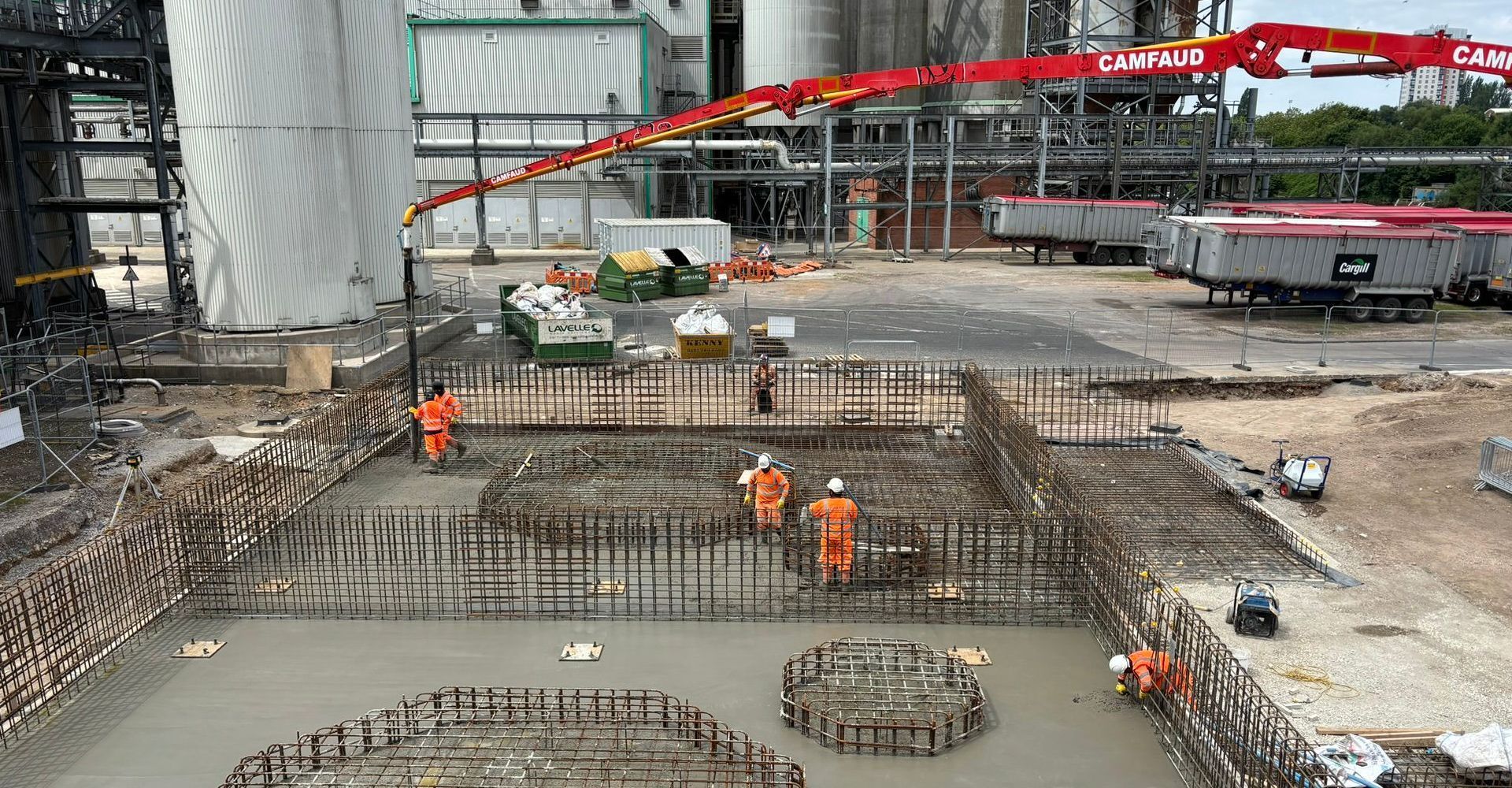
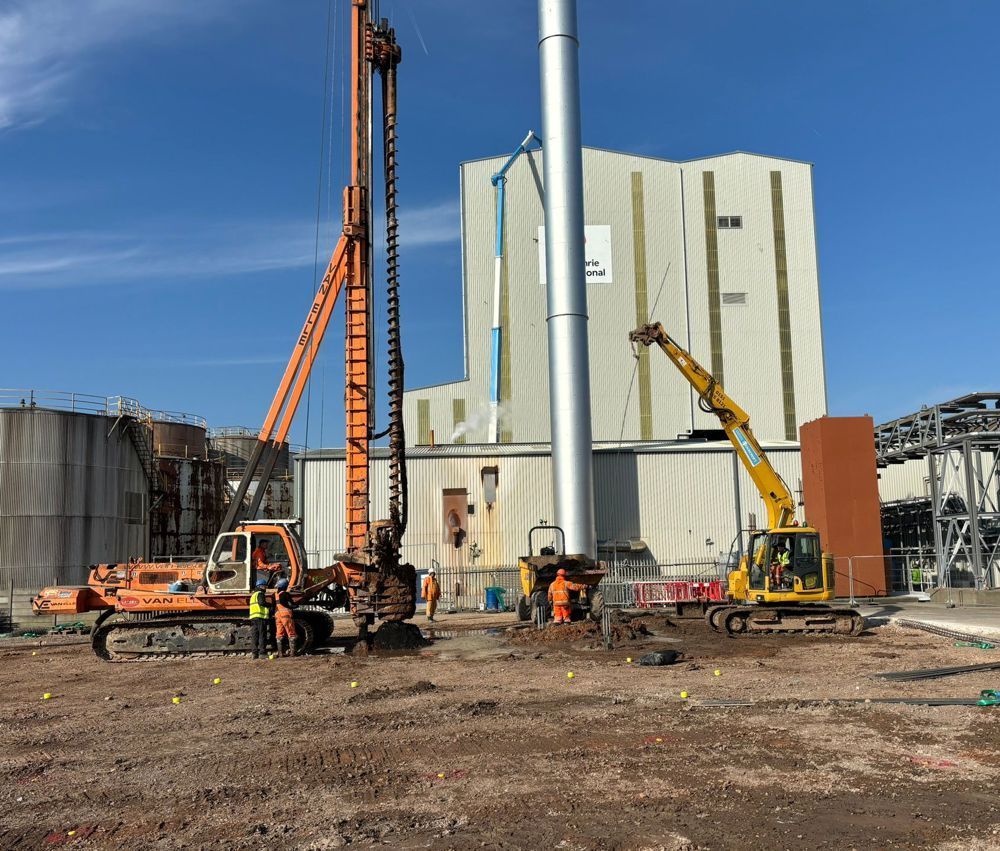
The right decisions are made before the first excavator arrives.

Consistently Delivering Projects

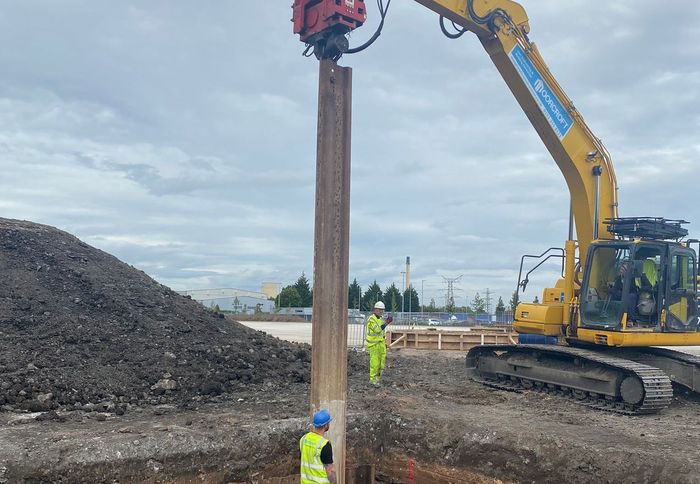
A strong track record comes from consistently delivering projects, not simply talking about them. Technical capability, commercial understanding and practical construction experience combine to maintain high standards throughout delivery. Completed projects demonstrate how this approach achieves successful outcomes across different sectors.
  • Value Engineering in Practice

    Looking Beyond the Specification


    Value engineering works best before construction starts. It's a chance to step back and consider how the project will actually be built. Experienced engineers often spot practical improvements that are not obvious on the drawings. Small changes can improve buildability, reduce unnecessary costs and deliver better value. The aim is always to maintain quality, performance and regulatory compliance.


    Why Early Engineering Input Matters


    Many designs are technically correct from the outset. That does not always mean they are the easiest or most efficient to build. Bringing engineering experience into the project early often highlights better approaches before costs are committed. That can improve cost certainty while reducing unnecessary expenditure, programme risks and construction inefficiencies.


    Taking a Practical View of Design


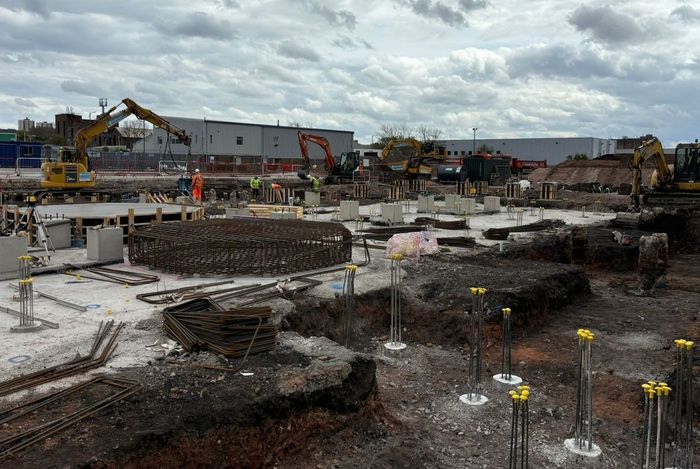
    Value engineering looks at a design through the eyes of the construction team. It considers how materials, construction methods and technical details will work on site. Reinforcement, drainage, excavation strategies, temporary works and contaminated land all deserve careful review. Sometimes a different approach is simply easier to build, quicker to deliver and more commercially viable.


    Applying Value Engineering Before Construction


    The greatest benefits usually come before construction begins. That is when changes are easier to make and deliver the most value. Experienced engineers review how the design will be built and suggest practical improvements. This helps support informed decisions before major expenditure is committed. It also supports programme delivery, compliance and long-term project value.


    Recognising a Successful Outcome


    Good value engineering rarely changes what a project achieves. Instead, it improves how that outcome is delivered. Construction methods, materials and technical designs are reviewed to remove unnecessary costs. Quality and performance remain the priority throughout. The result is often a project that is easier to build and delivers greater long-term value.


    Avoiding Missed Opportunities


    It is easy to accept a specification without questioning how practical it will be. That can mean missing opportunities to improve the project before work starts. Drainage, excavation, reinforcement and contaminated land management all benefit from experienced engineering input. Without that review, projects can face unnecessary costs, longer programmes and avoidable construction complications.


    Better Decisions Lead to Better Projects


    Value engineering delivers the greatest benefit when it forms part of the planning process. Construction experience, technical knowledge and commercial understanding all contribute to better decisions. Together they improve buildability, reduce unnecessary costs and strengthen project outcomes. The result is a project that maintains quality, compliance and long-term value while making the construction process more straightforward.


  • Cost Certainty in Construction

    Realistic Pricing Creates Confidence


    Cost certainty matters on every construction project. It rarely comes from choosing the lowest tender alone. It comes from realistic pricing, practical construction experience, technical knowledge and sound commercial management. When those elements come together early, there is usually greater confidence that costs will remain predictable throughout construction.


    Looking Beyond the Lowest Tender


    The lowest tender is not always the lowest project cost. A price that looks attractive at the start can become more expensive later. Variations, additional works and contractual claims often change the overall picture. Realistic pricing, supported by experienced commercial management, usually provides better control as the project progresses.


    Building Cost Certainty Before Work Starts


    Cost certainty begins long before anyone arrives on site. Early reviews often identify risks that are much easier to address before work starts. Technical knowledge can improve buildability and remove unnecessary costs. Value engineering also helps explore better ways to achieve the required outcome. Commercial experience across JCT, NEC and bespoke contracts supports informed decisions throughout.


    Solving Problems Before They Become Disputes


    Every project has challenges along the way. The key is dealing with them before they grow into larger problems. Reviewing projects early helps identify risks and opportunities to improve cost certainty. Commercial discussions can often resolve issues before contractual provisions become necessary. That approach helps projects keep moving while supporting long-term working relationships.


    Recognising a Well-Managed Project


    Well-managed projects usually have a few things in common. Pricing is realistic from the beginning. Risks are identified early, and engineering decisions improve buildability. Commercial discussions stay constructive as the project develops. That combination helps keep costs more predictable throughout the construction process.


    Avoiding False Economy


    It is easy to assume the lowest tender offers the best value. In practice, that is not always the case. Unrealistic pricing can lead to variations, claims and disputes once construction begins. Realistic budgeting and experienced commercial management often provide a more reliable route. Dealing with issues early also helps prevent them becoming costly commercial problems.


    Experience Underpins Cost Certainty


    Cost certainty is usually the result of several disciplines working together. Practical construction experience, technical knowledge, value engineering and commercial management all play an important part. Together they support realistic pricing, informed decisions and collaborative problem-solving. Looking beyond the lowest tender often gives clients greater confidence from the start of the project through to completion.


  • Drainage & Water Management

    Drainage Is Now a Core Project Consideration


    Drainage has become a much bigger consideration on modern construction projects. As development increases, existing drainage networks face greater pressure. That means drainage decisions need attention much earlier in the process. They influence flood risk, environmental compliance, construction and long-term performance. Rather than simply managing surface water, drainage now plays an important role in successful project delivery.


    Why Early Drainage Decisions Matter


    Many developments create more surface water than existing drainage systems can manage. If that is not recognised early, it can increase flood risk and place extra pressure on local infrastructure. It can also create regulatory challenges later in the project. Drainage design influences project costs, long-term operation and overall viability. That makes it an important engineering decision from the outset.


    Understanding Site-Specific Drainage Design


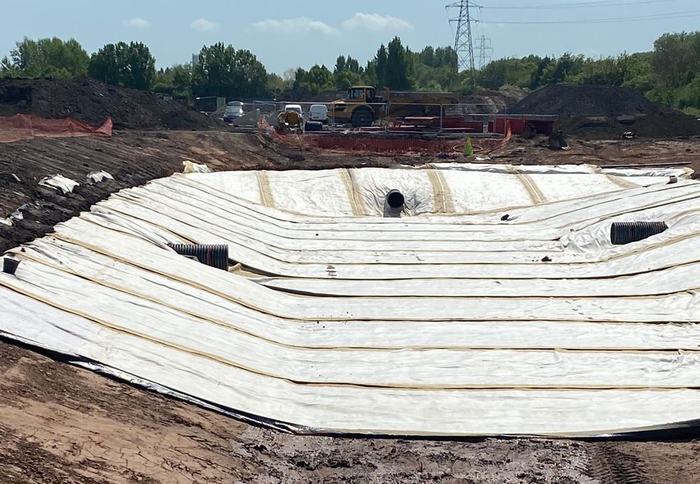
    Every site brings its own challenges, so drainage design should reflect those conditions. Understanding the ground, existing drainage capacity and the type of development provides a solid starting point. Attenuation tanks help manage water volumes. Separator systems remove pollutants, while filtration systems protect nearby watercourses. Value engineering can also improve buildability while maintaining technical performance and environmental compliance


    Delivering Practical Drainage Solutions


    No two sites are exactly the same. A drainage solution should always reflect the conditions on the ground rather than follow a standard design. Industrial, commercial and brownfield developments often need different approaches. Practical construction experience helps integrate drainage systems into wider civil engineering works. That often improves buildability and keeps the project running more efficiently.


    What Successful Drainage Looks Like


    A good drainage system does much more than move water away. It controls surface water safely and protects surrounding infrastructure. It also meets environmental requirements and helps prevent contaminants entering the environment. When designed well, the system continues performing reliably for many years. That supports sustainable development without creating unnecessary operational or maintenance problems.


    Avoiding Common Drainage Challenges


    Drainage is sometimes underestimated during the early planning stages. That can become more challenging where contaminated land, ageing infrastructure or industrial processes are involved. Looking at these issues early gives the project more options. It can reduce engineering risks, avoid unnecessary costs and minimise construction problems. It also helps meet changing environmental compliance requirements.


    Good Drainage Supports Better Projects


    Good drainage combines technical knowledge with practical construction experience. Every development presents different engineering and environmental challenges. That is why site-specific design is so important. Understanding how drainage systems are selected and integrated helps reduce project risk. It also supports reliable long-term performance throughout the life of the development.


  • Reducing Risk Through Technical Experience

    Risk Begins Before Construction Starts


    Managing risk starts well before work begins on site. Many of the most important decisions are made during planning and design. Technical experience helps identify potential issues before they become bigger problems. That creates greater certainty, fewer surprises and better control as construction progresses. It also allows informed decisions before issues become expensive or difficult to resolve.


    Early Decisions Influence Better Outcomes


    Every construction project comes with a degree of uncertainty. Ground conditions, groundwater, contaminated land, changing weather and technical challenges can all affect delivery. Identifying these early gives the project a stronger foundation. It helps reduce delays, unnecessary costs and the risk of unsuitable construction methods as conditions develop.


    Understanding the Conditions Below Ground


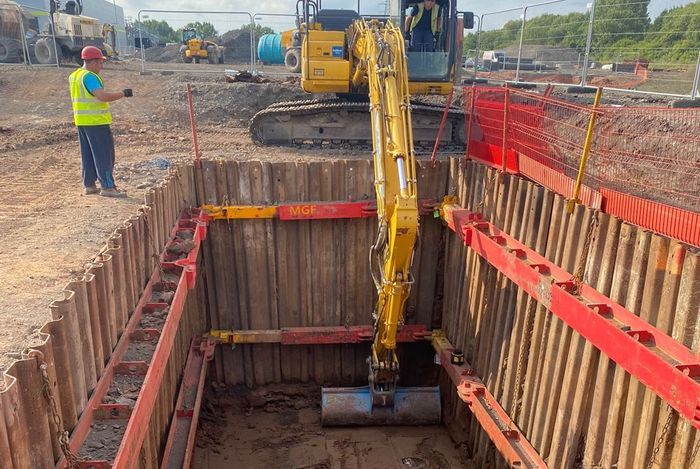
    Good risk management starts with understanding the site itself. Ground investigations provide valuable information before construction begins. They influence foundation design, excavation methods and material selection. Technical expertise also supports temporary works, dewatering, waterproofing and excavation support. Every project is assessed on its own conditions rather than relying on assumptions.


    Adapting When Conditions Change


    Construction rarely follows the original plan from start to finish. Ground conditions, weather and unforeseen technical challenges often require plans to adapt. Experienced leadership helps those decisions happen at the right time. Engineering, commercial and construction expertise work together to resolve issues early. That keeps smaller challenges from becoming much larger project problems.


    What Good Risk Management Looks Like


    Well-managed projects usually begin with a clear understanding of the site and a practical technical strategy. Risks are identified early, and construction methods reflect actual conditions. Experienced leadership, qualified personnel and recognised certifications all support delivery. Together they help maintain safety, quality and programme throughout the project.


    Avoiding Common Sources of Risk


    Many construction problems can be traced back to assumptions made too early. Limited ground investigations, unsuitable construction methods or inadequate temporary works planning all increase risk. Delayed engineering decisions can also affect the project. The same applies where workforce competence does not match the challenges involved. Addressing these areas early gives the project much greater confidence.


    Experience Supports Better Decisions


    Technical experience supports better decisions from the very beginning of a project. It also helps solve problems as construction progresses. Engineering knowledge, practical site experience and commercial understanding each have an important role. Responsive leadership brings those disciplines together when conditions change. The result is a safer, more predictable project with greater control over construction risk.


  • Design & Build from Concept to Completion

    One Contractor From Start to Finish


    Design and build brings the whole project under one contractor from the very beginning. The same team takes responsibility from the first design concepts through to completed construction. That removes the need to coordinate separate designers and contractors. Technical, commercial and construction expertise work together from the outset. It also provides clear responsibility throughout the project.


    Why One Point of Responsibility Matters


    Managing separate designers, consultants and contractors can make projects more complicated. Decisions may take longer, and responsibility can become less clear when issues arise. Design and build brings everything together under one contractor. Communication becomes more straightforward, and practical construction experience informs design decisions from the beginning. That helps keep solutions commercially realistic and maintains better control throughout delivery.


    Designing With Construction in Mind


    Good design starts by thinking about how the project will actually be built. Practical construction experience helps shape engineering decisions from the outset. That keeps designs both buildable and commercially realistic. Technical specialists and consultants are coordinated throughout the project. Construction considerations remain part of every important decision from beginning to end.


    A Coordinated Approach to Delivery


    The project moves from concept through design, engineering, planning and construction as one coordinated process. One contractor remains responsible throughout the journey. Specialist consultants are involved whenever their expertise is needed. Continuous coordination improves communication and reduces unnecessary redesign. It also keeps construction considerations central as the project develops.


    What Successful Design & Build Looks Like


    A successful design and build project follows one joined-up process from concept to completion. Design, engineering and construction remain fully coordinated throughout. Practical construction experience continues to guide decisions as the project progresses. Clear responsibility, consistent communication and coordinated delivery help keep everything moving efficiently from start to finish.


    Avoiding Unnecessary Complexity


    Projects often become more complicated when design and construction are managed separately. Without practical construction input, buildability issues may not appear until work has started. That can also lead to unnecessary costs and delays. Keeping design, engineering and construction together helps reduce complexity. It also supports better-informed decisions throughout the project.


    Bringing the Process Together


    Design and build brings design, engineering and construction together within one coordinated service. One contractor takes responsibility from the earliest concepts through to completion. Practical construction knowledge helps guide decisions at every stage. Understanding this approach makes it easier to see the value of clear responsibility across the whole project.


  • Collaborative Project Delivery

    Building Better Outcomes Together


    Construction projects rarely follow the original plan from start to finish. Contracts provide an important framework, but they are only part of the picture. Day-to-day progress often depends on open communication and practical problem-solving. Shared decision-making helps keep projects moving while strengthening working relationships. That approach often leads to better outcomes for everyone involved.


    Why Early Collaboration Makes a Difference


    Most projects encounter unforeseen issues, design changes or variations along the way. If every challenge immediately becomes a contractual discussion, progress can slow quite quickly. Working collaboratively encourages practical conversations while options are still available. Issues can often be resolved earlier, reducing unnecessary conflict and maintaining confidence throughout the project.


    Better Decisions Throughout the Project


    Collaboration does not replace the contract. Instead, it shapes how the contract is applied in practice. Open discussion, shared decision-making and practical problem-solving often produce better outcomes. Responsibilities remain clear, but conversations focus on finding sensible solutions first. That helps maintain trust, momentum and productive working relationships.


    Turning Challenges into Solutions


    A collaborative approach begins during planning and continues throughout construction. Unforeseen issues, variations and defects are discussed openly as they arise. Wherever possible, practical solutions are agreed before they become disputes. Contractual responsibilities remain important throughout. The aim is to maintain progress while supporting successful project delivery.


    What Successful Collaboration Looks Like


    Successful collaboration is usually easy to recognise. Communication remains open, responsibilities are understood and decisions are made promptly. Guarantees are honoured, and challenges are addressed constructively. That helps projects continue with fewer disruptions and unnecessary delays. Over time, trust grows through actions rather than promises, creating stronger professional relationships beyond project completion.


    Preventing Disputes Before They Escalate


    Starting every conversation from a contractual position can make simple issues much harder to resolve. It can also create delays and unnecessary conflict. Commercial disagreements sometimes distract from solving the real problem. A collaborative approach still respects contractual obligations. It simply looks for practical solutions before formal positions become necessary.


    A Balanced Approach to Project Delivery


    Collaborative project delivery balances clear contractual arrangements with open communication and shared problem-solving. Issues are addressed constructively, and responsibility remains clear throughout the project. Long-term working relationships are considered alongside immediate project needs. That approach helps reduce unnecessary conflict, supports better outcomes and builds lasting professional confidence and trust.


    .

Before Important Decisions Are Made

If you're planning a civil engineering or construction project, an early conversation is often the best place to start. It allows the project, technical challenges and practical delivery options to be discussed before important decisions are made.

Share by: